Try: tag:typescript source:blog -github
63 of 63 activities

DCYFR Labs is one architect plus a private AI agent swarm. It is tempting to dress that up as a team: names, job titles, a bigger-than-it-is company. This is the honest version: the systems that let a solo studio operate like more than one person, why I say "I" and not "we," and where it stops scaling.

dcyfr.ai now ships in obsidian: one near-black ground, colour held in the accent ramp and the field, and six cuts measured from photographs of the stone. This post covers the cuts and their references, the cut axis and its cookie, the field and sheen layer, and what stayed the same.

Every LLM provider keys its prompt cache on the prefix of the request. Mutate the system prompt, tool schema, or message history mid-conversation and you invalidate the cache for the rest of the session — a single slip can 10x the cost. The four forbidden mutations, the permitted ones, and how to enforce them statically.

dcyfr.ai has a new visual identity called phosphor: warm paper, vermilion accents, serif headlines. This post covers the theme engine behind it, the 37-variable contract both identities satisfy, and where you can flip between them live.
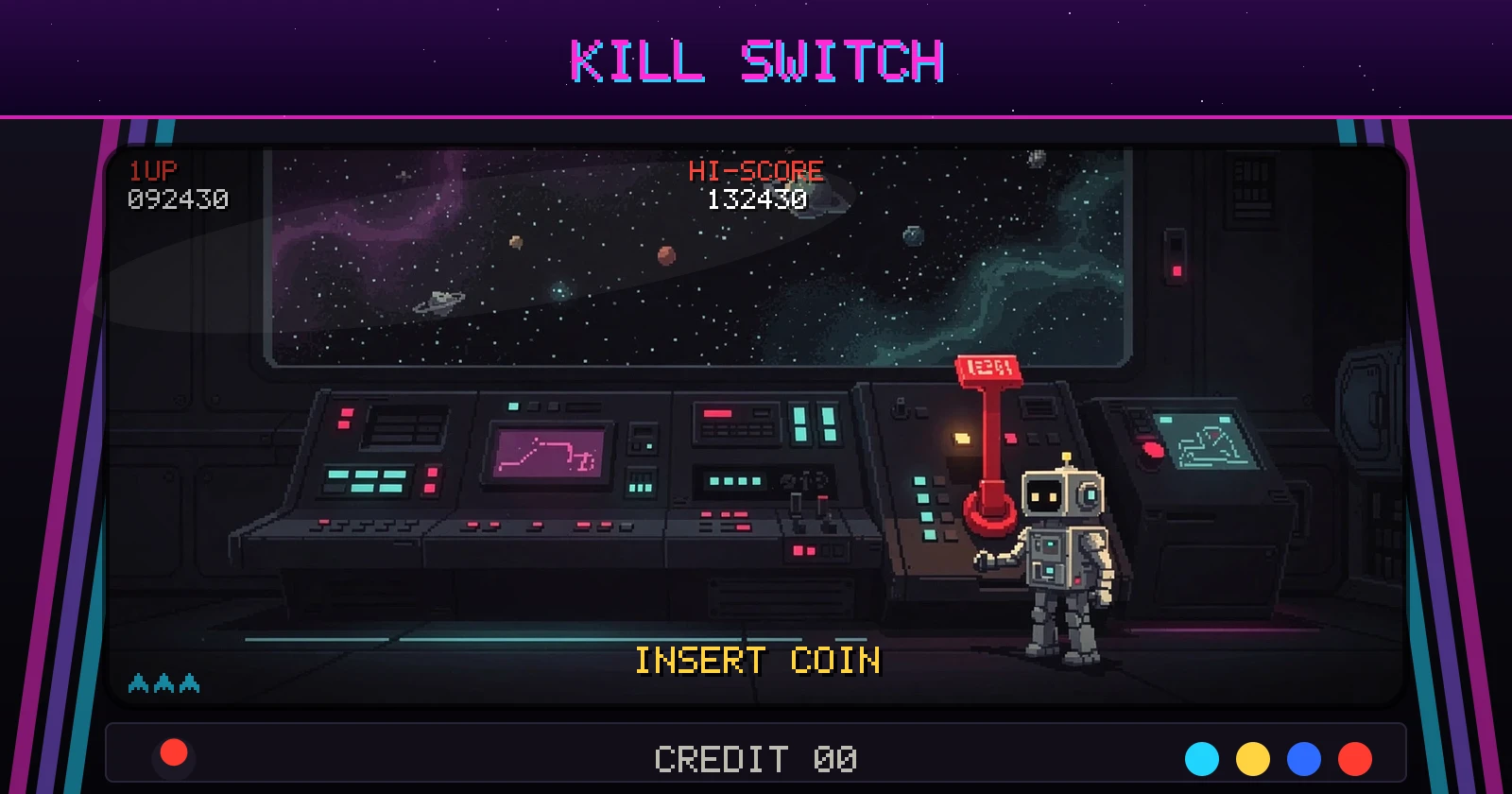
An autonomous agent holds an API key, a shell, and the ability to send messages as you — running while you sleep. The security question is not whether it can be jailbroken; it is what the blast radius is when it misbehaves. The controls that make unattended safe.

Part 1 treated AI as a Junior+ teammate you prompt. This is the leap to an agent that runs every 15 minutes with no one watching: the anatomy of an autonomous loop, the model-routing economics that keep it cheap, and the kill switches that keep an unattended agent from doing damage.

A short, honest changelog: what shipped in the @dcyfr/ai v3.x line, what changed for people building on it, and what comes next — catching the blog up with work the package already produced.

After 6 months and 12,000+ AI-assisted code changes, discover the 5 daily workflows that deliver 60% time savings, 75% more features shipped, and zero quality regression. Real patterns, measurable results, and pitfalls to avoid.
New /open-source page showcasing all published npm packages in the @dcyfr/ai ecosystem.
New /ai landing page covering the full framework — plugin architecture, multi-provider support, delegation, CLI, RAG, and code-gen.
Plugin marketplace with trust scoring, audit tracking, TLP classification, and sandbox isolation now live.
Eight adversarial security scenario mitigations (CS2–CS10) shipped: HMAC identity verification, TLP clearance enforcement, rate limiting, content policy scanning, chain depth guards, and reputation-gated access.
Plugin catalog launched with trust scoring engine, audit trail, TLP classification, Docker sandbox isolation, and automated CVE scanning.

Introducing RIVET: a systematic framework for enhancing blog content with 8 interactive components. Real implementation data from 4 blog posts with 181 component instances, 97 passing tests, and measurable engagement improvements.
Real-time monitoring via Axiom — request traces, Web Vitals, delegation events, and automation logs all stream to structured datasets.